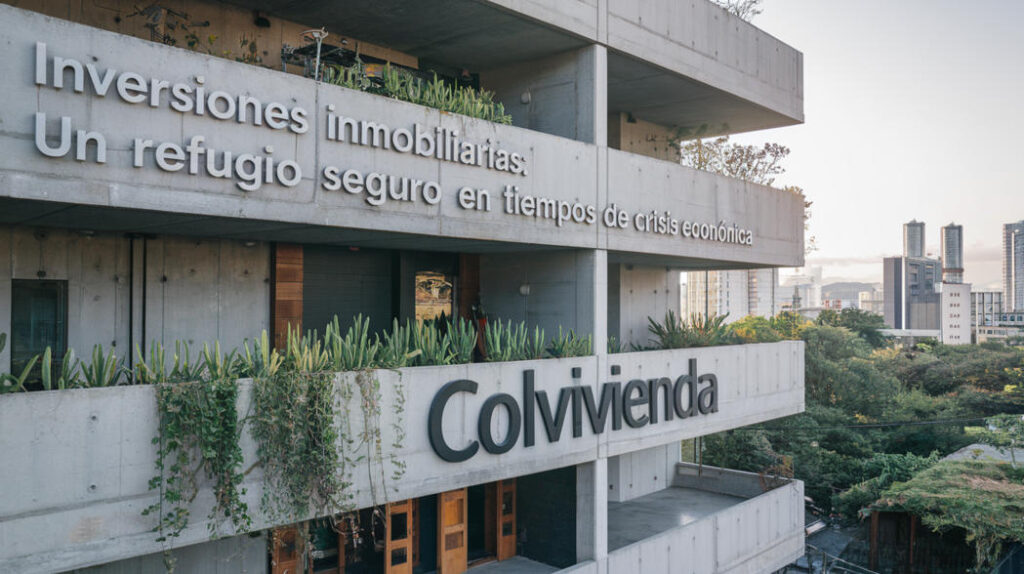
In times of economic crisis, uncertainty is the one constant. Investors face extreme volatility in the stock markets, cryptocurrency values can collapse within days, and inflation threatens to erode purchasing power. Against that backdrop, real estate has proven to be one of the most stable and secure asset classes. From the Great Depression through the recent global pandemic, property has held its place as a safe haven for investors around the world. In this article we look closely at how real estate in Colombia has weathered economic crises, and why it remains an attractive option compared with other assets.
History: The Resilience of Real Estate Through Economic Crises
Throughout history, real estate has shown itself to be one of the most resilient assets during periods of crisis. During the 2008 financial crisis, for example, global stock markets collapsed and lost up to 50% of their value, while property values saw a far more moderate decline and recovered more quickly.
In Colombia, despite the political and economic instability of the 1990s, the real estate market held steady and has shown consistent growth ever since. This reflects a common pattern: because real estate is a tangible asset, it not only withstands economic swings but often serves as a safe haven for investors seeking stability.

Why Is Real Estate a Safe Haven?
1. Tangible, Long-Lasting Assets
• Built-in stability: Unlike stocks or cryptocurrencies, real estate is a tangible asset with intrinsic value. Land and physical property do not vanish, nor can they become worthless overnight. In times of crisis, owning a physical asset offers a far greater sense of security than more speculative holdings.
• Constant usefulness: Property serves basic needs such as housing, offices or storage. That ensures its value holds up even when financial markets turn volatile. In Colombia, cities such as Bogotá and Medellín continue to see sustained demand for both residential and commercial property, particularly in key sectors of the economy.
2. Passive Income Generation
• Real estate allows investors to generate passive income through rent, something other financial assets cannot offer with the same consistency. In times of crisis, that steady income stream is vital for maintaining liquidity and covering other expenses. Residential property in Colombia’s urban areas continues to offer attractive opportunities for investors looking for stable rental income.
3. A Hedge Against Inflation
• During inflationary periods, real estate prices and rents tend to adjust in line with the cost of living. This allows property owners not only to preserve the value of their investment but to increase it. In Colombia, inflation has driven rental growth in metropolitan areas, especially in places like Bogotá, where housing demand has supported regular rent adjustments.
• In times of hyperinflation, property is one of the few assets that can hold its value over the long term, while others such as stocks and cryptocurrencies suffer significant losses.
4. Portfolio Diversification
• Real estate allows investors to diversify their portfolio, providing stability against swings in other assets. Being less volatile than stock markets and cryptocurrencies, property acts as a stabilizer within a diversified portfolio, mitigating risk and helping to offset losses elsewhere.

Comparison: Real Estate vs. Volatile Assets in Times of Crisis
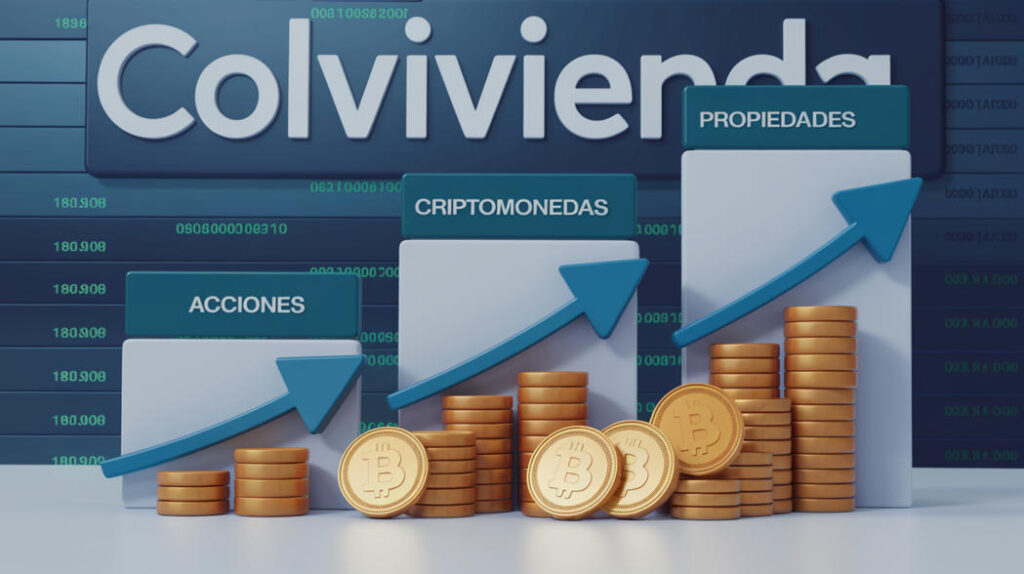
1. Stocks: Shares and other financial instruments are directly exposed to market swings and shifts in investor confidence. During the 2008 global financial crisis, stock markets lost up to half their value. Real estate, by contrast, was affected but declined far less sharply, and in many cases properties recovered their value faster. In Colombia, although there were some price adjustments, major cities such as Bogotá, Medellín and Cartagena bounced back quickly.
2. Cryptocurrencies: Despite their recent growth, cryptocurrencies have proven highly speculative and volatile. The crypto market suffered steep falls during the COVID-19 pandemic and crashed again in 2022 on the back of regulation and waning global investor confidence. Investing in property, by comparison, offers a stability that cryptocurrencies have yet to achieve.
The Colombian Case: Resilience of the Local Real Estate Market
Colombia’s real estate market has shown remarkable resistance to global economic crises. Despite the slowdown caused by the COVID-19 pandemic, the sector’s recovery in cities such as Bogotá, Medellín and Barranquilla has been surprisingly fast. Domestic housing demand, particularly in urban areas, remains high, driven by population growth and migration toward the country’s main cities.
• Foreign investors: Colombia has also seen growing interest from foreign investors, drawn by the country’s macroeconomic stability and by property investment opportunities at competitive prices. A favorable exchange rate has also played a key role in attracting foreign capital into the Colombian real estate market.
• Infrastructure and sustainable development: Infrastructure growth, along with government policies encouraging sustainable development and energy-efficient housing, has increased demand for properties that incorporate renewable energy and sustainable technology. This type of investment secures long-term returns, since sustainable properties tend to appreciate faster and attract stronger demand.

Real Estate Investment Opportunities in Colombia
Despite global economic challenges, Colombia continues to offer a wide range of opportunities for property investors. Some of the key areas for investment in the country include:
1. Multifamily housing: Demand for multifamily apartment buildings has grown in Colombia as the urban population expands. These properties generate steady rental income and also offer potential for appreciation over time.
2. Commercial property: Colombia’s commercial areas, especially in Bogotá and Medellín, remain attractive to investors given the country’s economic growth. Investments in commercial property such as logistics centers and offices have been profitable thanks to the expansion of e-commerce and rising demand for logistics space.
3. Energy-efficient projects: Demand for sustainable properties is rising quickly, which has pushed up the value of homes that incorporate green technology. Energy-efficient properties tend to appreciate faster, delivering higher returns for investors who factor in environmental impact.

Conclusion: Why Real Estate Is the Best Investment in Times of Crisis
The stability and resilience of real estate compared with other asset classes make it one of the best investment options during an economic crisis. In Colombia, the property market has proven to be a safe choice, offering passive income, protection against inflation and lower volatility than financial markets or cryptocurrencies. Investors looking to shelter in safe, stable assets find in the Colombian real estate market an opportunity not only to protect their wealth but also to generate income and long-term returns.
In short, investing in real estate acts as a hedge against volatility while also providing long-term growth opportunities, making it one of the best decisions for investors seeking both security and performance, particularly in times of crisis.
