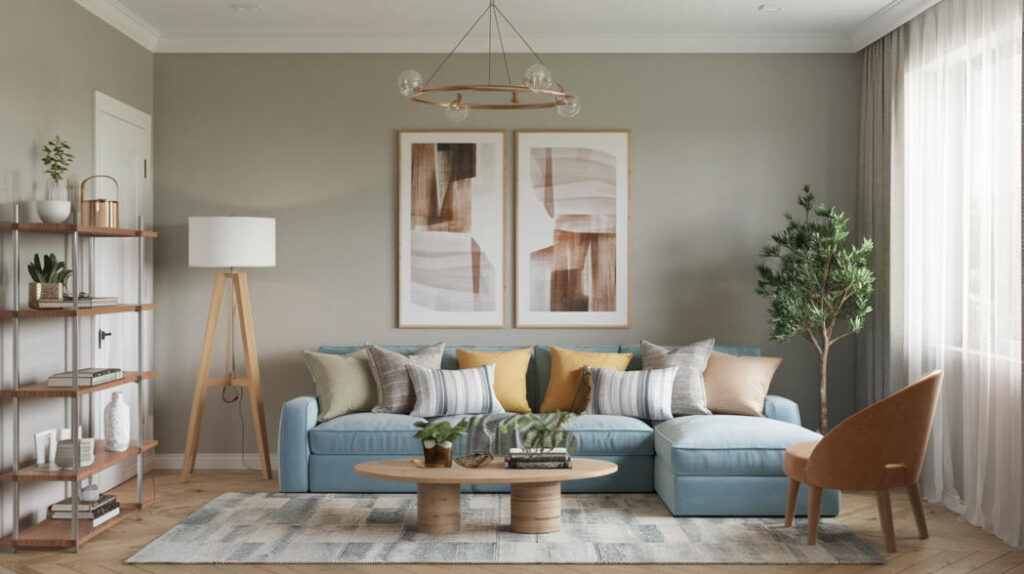
If you have a small space and want to make it look larger, brighter and more welcoming, paint can be your best ally. Choosing the right colors and finishes can completely transform any compact room. Here are 10 detailed tricks that will not only make the most of your space but also make it more attractive and functional. Read on and find out how to maximize every corner with these tips.
1. Use Light Colors to Create Visual Space
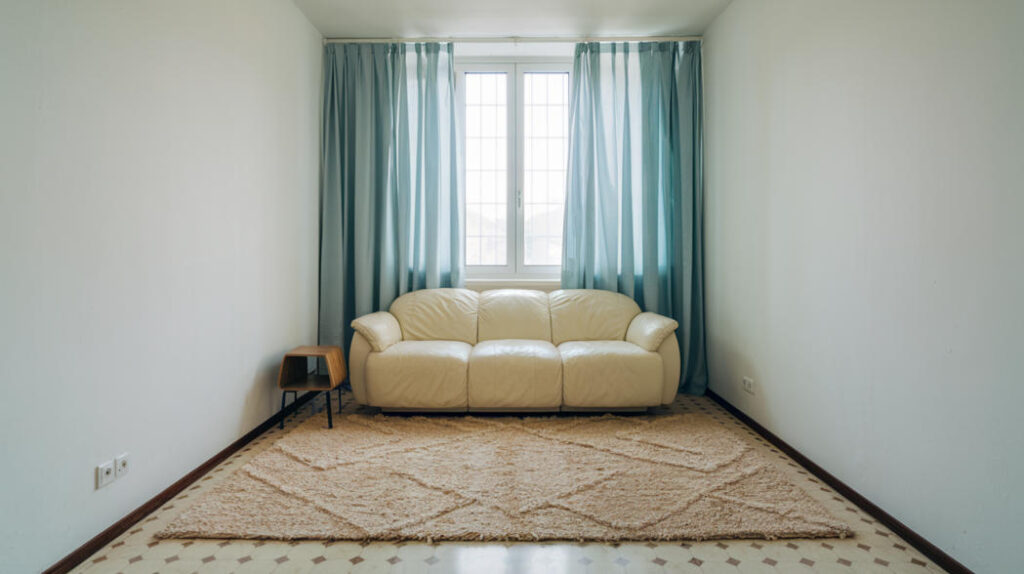
Light colors are an interior design classic for visually expanding small spaces. Shades such as white, cream, beige, light gray and soft pastels reflect more light, creating the illusion of greater space. Because these colors do not absorb light the way darker tones do, they help keep a room feeling open and bright — ideal for compact areas.
• Why it works: Light colors reflect light, making walls and ceilings appear farther away and expanding the visual space.
• Tip: If you prefer a touch of color without sacrificing that sense of space, go for pastel tones such as sky blue or mint green. They add freshness without shrinking how large the room feels.
2. Go for Glossy Finishes for More Brightness
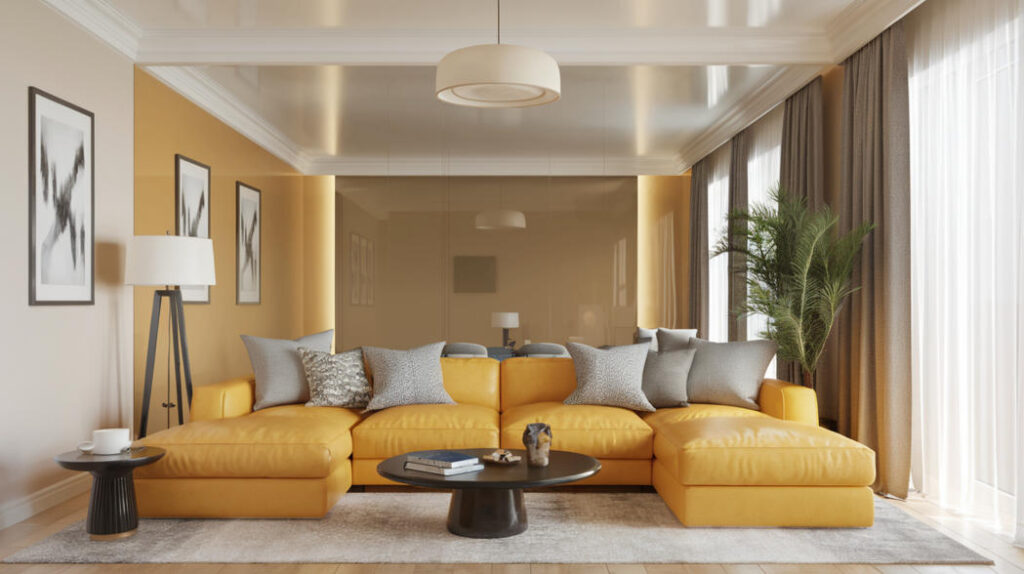
The paint finish also plays a crucial role. Glossy or semi-gloss finishes reflect light far more effectively than matte ones. This amplifies both natural and artificial light in the room, contributing to a sense of openness. In small spaces, where light is key, this trick is particularly useful for maximizing brightness.
• Why it works: By reflecting more light, a glossy finish creates a brighter, airier atmosphere.
• Tip: Use glossy finishes on walls that get direct light to multiply the effect. Pair them with matte finishes on other surfaces to balance the intensity.
3. Paint the Ceiling a Lighter Color to Add Height
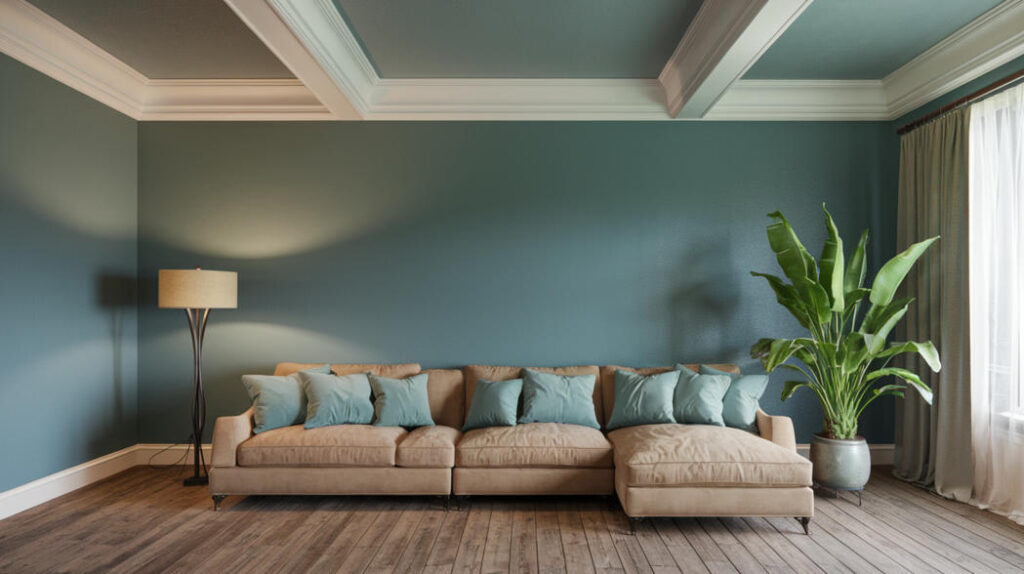
A ceiling painted lighter than the walls can create the illusion of greater height, making the room feel larger. This technique is especially useful in spaces with low ceilings, since dark colors overhead tend to visually compress a room.
• Why it works: Light colors on the ceiling visually “push” the upper boundary upward, giving a sense of greater vertical space.
• Tip: White is the classic choice for ceilings, but you can also use light gray or a soft sky blue for a creative touch without losing that sense of space.
4. Add a Dark Accent Wall for Depth

Although light colors are the main rule for opening up a space, a well-placed dark accent wall can add depth and dimension to a room. Using a darker color on a single wall makes the other walls appear farther away, which adds to the perception of space.
• Why it works: The contrast between a dark wall and the lighter walls around it creates a visual effect that deepens the space.
• Tip: Choose shades such as charcoal gray, navy blue or emerald green for an accent wall, ideally behind a bed or sofa, to add character and dimension without overwhelming the room.
5. Vertical Stripes: The Perfect Trick for Adding Height

If you have low ceilings, an effective visual trick is painting vertical stripes on the walls. Stripes, whether wide or narrow, help visually stretch the height of a room, making it seem taller than it really is.
• Why it works: Vertical stripes draw the eye upward, which automatically stretches how we perceive walls and ceilings.
• Tip: Use two shades that do not contrast too sharply for a subtle but effective result, such as white and light gray, or beige and cream.
6. Keep a Monochromatic Palette for Visual Continuity

A monochromatic palette helps small spaces feel larger by creating visual flow. By using variations of the same shade across walls, ceilings and details, you avoid the contrasts that fragment a space, achieving a sense of continuity instead.
• Why it works: Similar colors throughout a space create a feeling of coherence and harmony that visually expands the room.
• Tip: To keep the space from looking monotonous, bring in textures and decorative details in similar tones, such as soft textiles or furniture in different materials.
7. Paint Trim and Doors the Same Color as the Walls

Painting trim, doors and baseboards the same color as the walls is a smart trick for making a small room feel more spacious. By avoiding contrast, the eye moves more smoothly across the space, which creates a greater sense of openness.
• Why it works: The absence of strong contrast softens the transitions between architectural elements, helping to unify the space.
• Tip: If you want some contrast, use the same shade in a different finish — glossy for the trim and matte for the walls.
8. Use Mirrors to Reflect Light and Double the Space

Mirrors work like magic in small spaces. They not only reflect light, brightening and enlarging a room, but also create an illusion of depth. Placing mirrors strategically can make a room look twice its size.
• Why it works: Mirrors reflect both light and images, creating a sense of continuity that visually multiplies the space.
• Tip: Place large mirrors on the walls opposite windows to maximize natural light and the enlarging effect.
9. Choose Furniture and Accessories in Neutral Tones
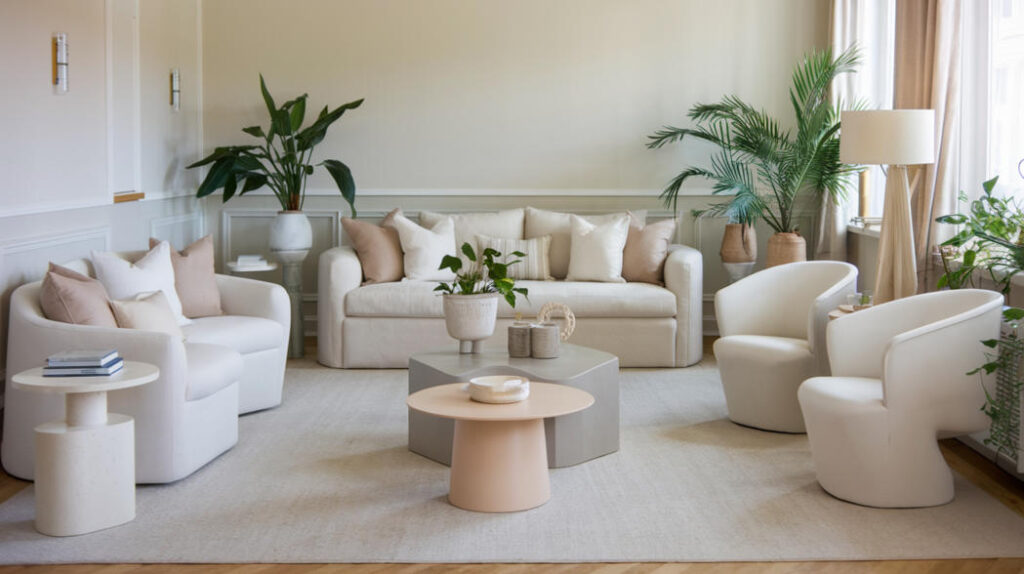
To complement light-colored walls, it is worth choosing furniture and accessories in neutral tones. Soft colors such as white, light gray or beige help the space feel airier and also keep the room from looking cluttered.
• Why it works: Neutral colors keep the room balanced so the eye is not caught on overly contrasting points.
• Tip: If you want a touch of color, add small accents such as cushions, artwork or lamps in bright shades, but keep them to a minimum so the space does not feel crowded.
10. Use Cool Colors to Create a Sense of Calm and Space
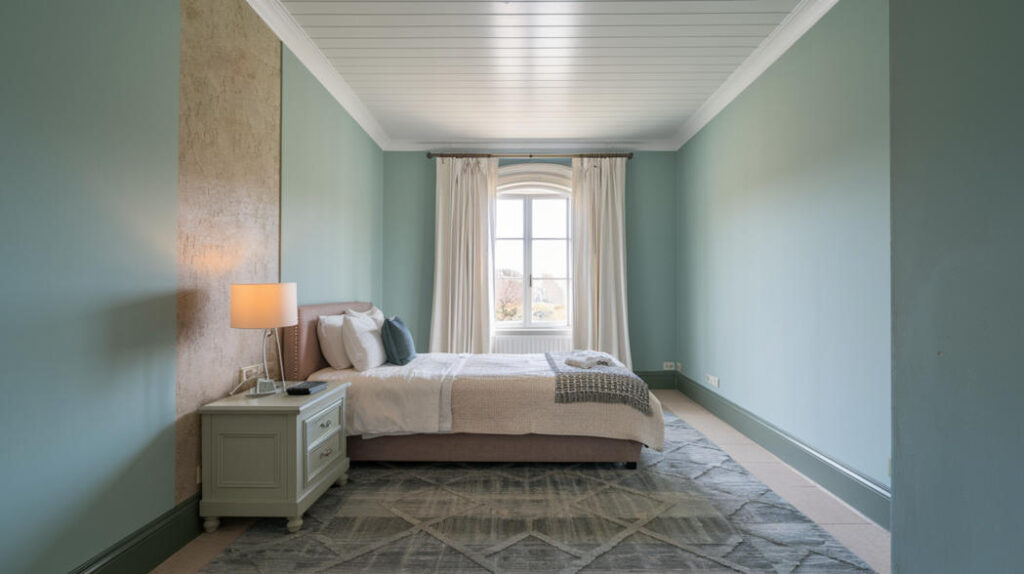
Cool colors such as soft blues, greens and grays are perfect for small spaces. These colors have the ability to visually recede, which means they make walls appear more distant and therefore make a room look larger.
• Why it works: Cool colors bring calm and serenity, which makes small spaces feel more open and relaxed.
• Tip: Pastel blues and greens are ideal for bedrooms or rest areas, since they open up the space while also creating a relaxing atmosphere.
Conclusion: Transform Your Small Spaces with the Right Paint

You do not need to knock down walls or take on expensive renovations to make a small space look larger. With these 10 painting tricks, you can change how any room is perceived, making it feel more spacious, brighter and more welcoming. Whether through light colors, mirrors or glossy finishes, the power of paint goes beyond aesthetics: it can transform the functionality and comfort of your home. Get inspired and start applying these tips to make the most of every corner of your space.
